 Find us at websummit 2021, click here


Editorial calendar: how to plan a month of content without losing consistency
Digital Marketing • Publicado a 15 de março de 2024 • 2 min de leitura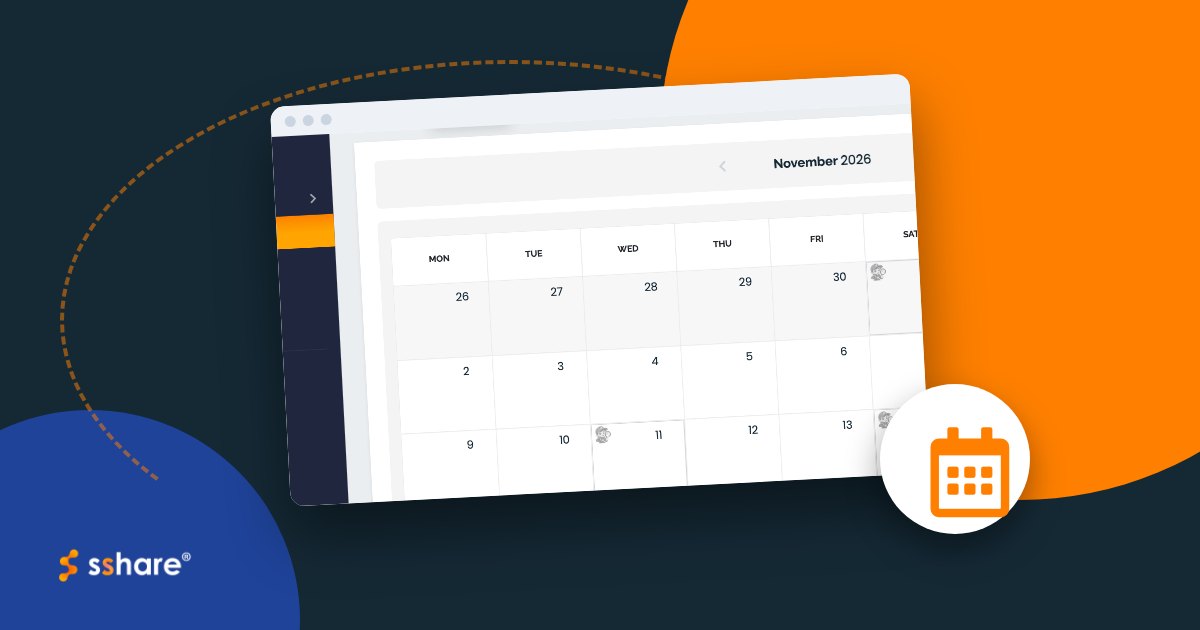
Learn how to plan a whole month of social media content with a simple editorial calendar, so you can post regularly and without stress.
Posting only when you have the time and inspiration is the fastest way to lose consistency. An editorial calendar solves that problem: you decide in advance what to say, where and when, so your month of content does not depend on your mood on a Tuesday afternoon.
Why consistency matters
People get used to seeing a brand regularly. When posts come in bursts followed by weeks of silence, your audience forgets you. With a calendar, frequency becomes a decision rather than an accident.
How to build your calendar in five steps
- Set the goals for the month. Do you want to introduce a new product, increase quote requests, or simply keep the brand visible? Two or three goals are enough.
- Choose your content pillars. These are the main themes your brand talks about: for example, product, behind the scenes, tips and news. Every post should fit one pillar.
- Fix the frequency for each network. Prefer a few well-thought-out posts to many rushed ones. A frequency you can keep is worth more than an ambitious one you abandon after two weeks.
- Mark the dates you already know. Campaigns, launches, holidays and seasons such as Christmas or Black Friday go in first, because they shape everything else.
- Fill in the gaps. Spread the pillars across the free days, alternating formats: image, short video, text, carousel.
What each entry should include
To make the calendar truly useful, each row should hold the essentials:
- publication date and time;
- destination social network;
- content pillar and goal of the post;
- copy or caption, and the image or video that goes with it;
- status: idea, in progress, awaiting approval, approved, scheduled.
Leave room for the unexpected
A good calendar is not a cage. Reserve two or three slots per month to react to industry news, a frequent customer question or an opportunity that appears suddenly. That way you keep your regularity without losing spontaneity.
Plan in a block, publish across the month
The biggest gain from an editorial calendar is time. Instead of thinking every day about what to post, you dedicate one or two sessions a month to creating and reviewing, and then you schedule everything. For the rest of the month your attention is free to answer comments and messages, which is where the relationship with your audience is really built.
Review at the end of each month
At the end of the month, look at what worked: which pillars got the most responses, which times went best, which formats were ignored. Use those conclusions to fine-tune the following month. An editorial calendar is not a fixed document, it is a habit that improves with every cycle.
Tools
A spreadsheet is fine to start with. But as networks and formats multiply, it pays to have everything in a single calendar where you can see, edit and schedule each post. That is the idea behind sshare.media: plan, create and schedule content for several networks from one place.


